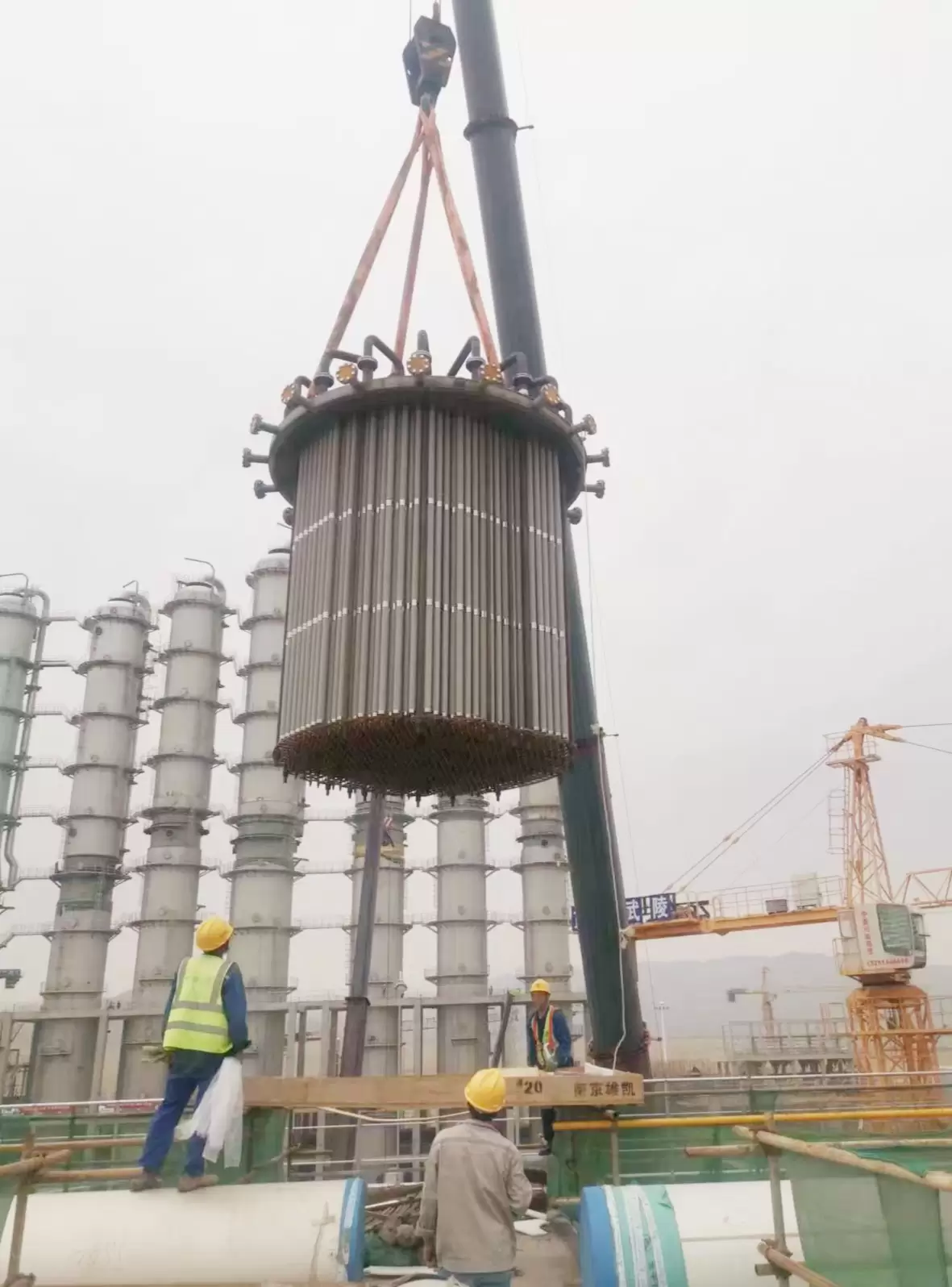
Are you facing the gas-solid mixture? If you are worrying about refining the gas or recovering the precious solids mixing with the gas, you need a gas-solid filtration system.
What is a Gas-Solid Filtration System?
In simple words, gas-solid filtration is a process in which poisonous particles are eliminated from the gas or vapor. There are many ways to remove solid particles from a gas, such as the Brownian motion method, electrostatic, locking effect, inertial, and sieving effect.
You can also define gas filtration as the separation of particles from gas by passing a gaseous suspension through a porous and permeable process that retains the particles. In order to separate the solid from the gas, you can use some common techniques such as inertial separators, electrostatic separators, and filters.
Filtration principles
Filtration systems are operated by incorporating one or several principles. Under the gas-solid filtration system, the mixture of components is differentiated by their size from the gas through a permeable medium.
The exact type of gas-solid filtration you need depends on the size and parameter of the particles and their interaction in the system. This interaction is referred to as the capture mechanism.
The gas filtration process eliminates solid particles. There are six main mechanisms to show how solid particles interact with and are caught by the membrane and microfibers of a typical filter media.
1. Direct Interception
The particle size and the pore size ratio are the main factors for this mechanism. Particles that are 1µm or big in size directly get connected to the filter mediums’ fibers.
2. Inertial Impaction
This mechanism captures particles within the range of 0.3µm to 10µm when the particles can’t pass through the filter media and start sticking to the fiber.
3. Diffusion
The diffusion mechanism works when random (Brownian) motion particles are contacted with the fiber. Such particles are very small, less than 0.3µm. They have the probability of colliding with each other and filtering medium fibers.
4. Gravity
Large and dense particles may lose momentum when they go to the filter housing. It is because the liquid expands that travels from the pipe to the filter housing. These particles then stay on the sump of the housing. As a result, this can prevent sticking to the filter media.
5. Electrostatic Deposition
This filtration mechanism works for those opposite-charged particles that get attached to each other. By being glued to each other, these particles are then captured by the filter media.
6. Straining
Some particles are too big to pass through for filter media. Straining is the mechanism for that.
3 Types of Equipment Need to Filtration Solid Gas
In the above, you got knowledge about gas-solid filtration systems and their principles. Now, you will know about 3 types of equipment needed for solid gas filtration.
1. Cyclones Separator
Cyclone separator is basically known as Cyclones which is a type of separation device that removes particular matters from the flue gases by utilizing the principle of inertia. Cyclone separator generally eliminates larger pieces of particulate matter that’s why it’s also known as a Precleaner.
In this filtration, gas and particles enter the cyclone that is constituted of a cylindrical body. A multi-cyclone is a system that allows numerous cyclone separators to run simultaneously.
It’s crucial to remember that cyclone sizes can vary greatly. The amount of flue gas that needs to be filtered heavily influences the cyclone’s size, hence larger operations typically require larger cyclones.
For instance, there may be a number of models of the same type of cyclone, and their heights can range from a manageably short 1.2 to 1.5 meters to about 9 meters, which is equivalent to a three-story skyscraper in height.
Remember that the gas can take up some solids again during reversing its direction, which would decrease the separation efficiency. The cyclone’s design and operation—making sure that no solids ever build up in the cone—are of utmost importance in avoiding such facts.
2. Wet Scrubbers
Wet scrubbers are usually used to eliminate harmful and poisonous materials from industrial flue gases before they are exposed to the environment. It is an original scrubbing system that utilizes a wet substance to eliminate acidic gases to make acid rain.
In wet scrubbing procedures, solid or liquid particles are transferred from a gas stream to a liquid for removal. Water is the liquid that is utilized the most in this process. The amount of energy required to make contact between the gas stream and the scrubber liquid is directly correlated to the efficiency of particulate collection in a wet scrubber.
While utilizing a wet scrubber, flue gas is moved through a place and sprayed with a wet substance. When removing dust and other particle matter, water is typically used, although other chemicals also could be used.
These substances were picked because they specifically react with some airborne pollutants, usually acidic gases. This procedure significantly increases the exhaust’s vapor content, which results in the emission of exhaust that, once vented, looks like white smoke.
3. Gas Filter Separator
A gas filter separator is also used for separating gas and solid. There are various mechanisms that play roles in the separation of gas and solids. If the filter is new or has been used for a little time, the physics actually makes changes at these periods.
For a new filter, the particles are capable of penetrating deep into the filter structure and they can be generated by inertia and diffusion. Particles accumulate both in and on the surface of the filter and ultimately make a cake.
After that, subsequent filtration comes out as the effect of filtration inside the filter through the making of the cake. For that reason, the more the number of particles, the more pressure gets high. Sometimes cleaning works automatically by using a reverse flow of gas.
How Does Gas-solid Filtration System Works?
Gas-solid filtration is used to separate and analyze substances that can be vaporized without breaking down. In this method, using a gaseous mobile phase, the volatile mixtures help in the separation of the mixture’s constituent parts and reveal details about their molecular composition and quantity.
This is how the gas-solid filtration system works-
- Supply of inert carrier gas to gas-solid filtration– A gas cylinder is used to supply an inert carrier gas, such as helium or nitrogen, to the equipment where the pressure is controlled manually or electronically. The inlet receives the controlled carrier gas, which then travels through the column and into the detector.
- Sample injection– The sample is injected into the machine’s heated injection port, where it volatilizes and is carried into the column by the carrier gas.
- Sample Separation– Within the column, the sample is separated.
- Elution and Detection– After passing through the column, the carrier gas and analytes enter a detector that responds to some of the physiochemical properties of the analytes and produces an electronic signal measuring the amount of analyte present. The sample separates by differential absorption of analytes between the mobile and the stationary phase.
- The Data System-Lastly, the data system generates a comprehensive filtration.
A List of Gas-solid Filtration System Category
Gas filtration is a procedure that removes unwanted solid particles from gas. So, There are four systems of gas-solid separation, such as-
- Cyclone Separators-This system uses the principle of inertia to remove particulate matter from the gasses. It is basically for the removal of large solid particles.
- Membranefilters– This system has a membrane-like structure in which you keep the components in a bag; small pores allow gases to pass through, but solids deposit on the filter. The gas passes out, solid-free. It is basically utilized for the removal of mid-sized particles.
- Wet Scrubbing system-This system uses a wet substance to remove harmful acidic materials from the industrial exhaust gas. Its device uses a scrubbing liquid to entrap solid particles.
- Electrostatic Precipitators-This system uses static electricity to pull out of the smoke from the unburned particles of carbons. Its operations are fairly simple for collecting fine particles.
Gas-solid Filtration System Benefits
Gas-solid filtration is crucial to separating the solids that a gas transports from them. Numerous methods are used to accomplish this.
As environmental concerns grow, it will be necessary to have a dust collection system to clean the gas before it is released into the atmosphere because the solids may also be present as pollution or dust. Some benefits are stated for utilizing this filtration process. Such as
- Minimize the impact of various industrial plants’ air pollution.
- Remove safety and health risks from the area of the workplace where grinding, milling, and packaging operations are conducted.
- Get valuable products out of dryers, conveyors, bagging machines, and others that can recycle them in the process.
- Maintain the machinery which is affected by dust, so filtration keeps it to a minimum.
- Scrubbers are primarily used for dust removal to ensure that the air is kept dust-free.
Case Study: Gas-solid Filtration System Application
Here at ShinkaiFilter, we conduct extensive research and thus come up with advanced & developed products for different industries. Our team of professionals is working relentlessly to improve the quality and functionalities of the products we manufacture. On that note, our filters are the of those using state-of-the-art technologies.
Let’s check out the case studies of some of the companies that have used and have been using our products and have gotten tremendous outputs.
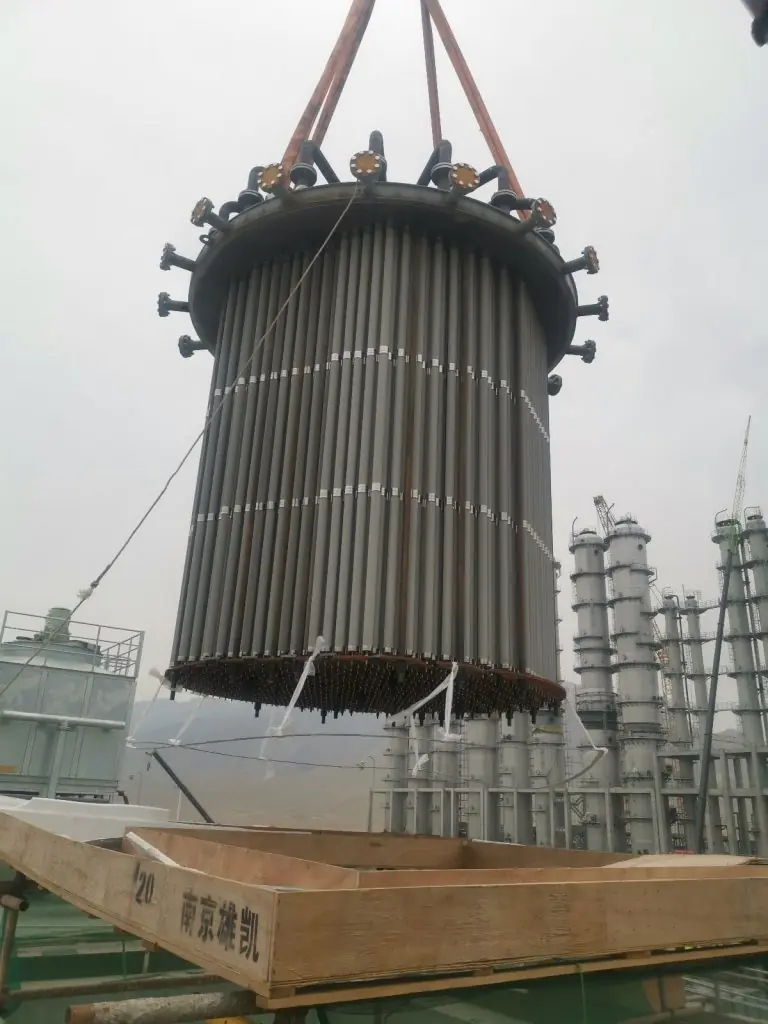
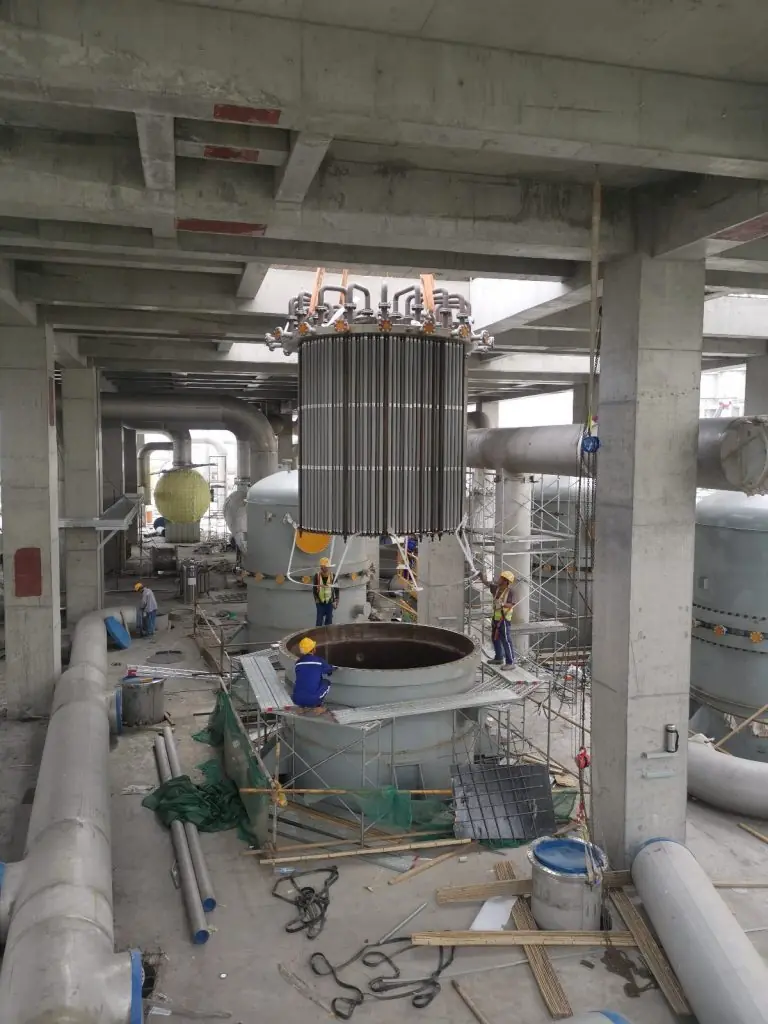
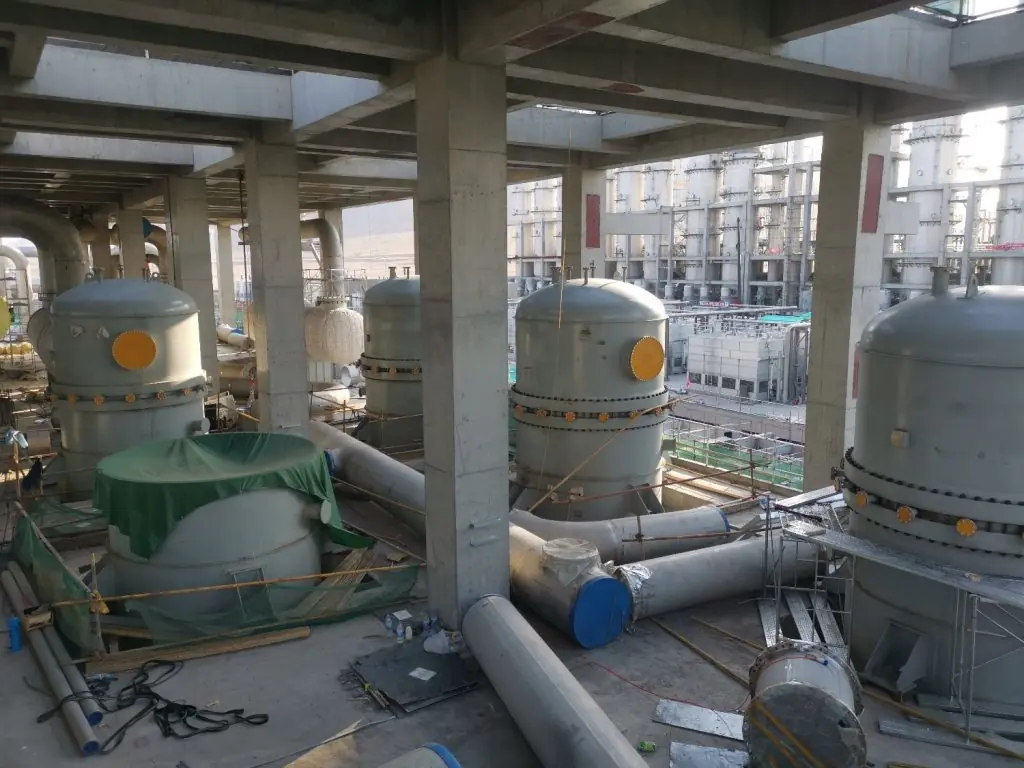
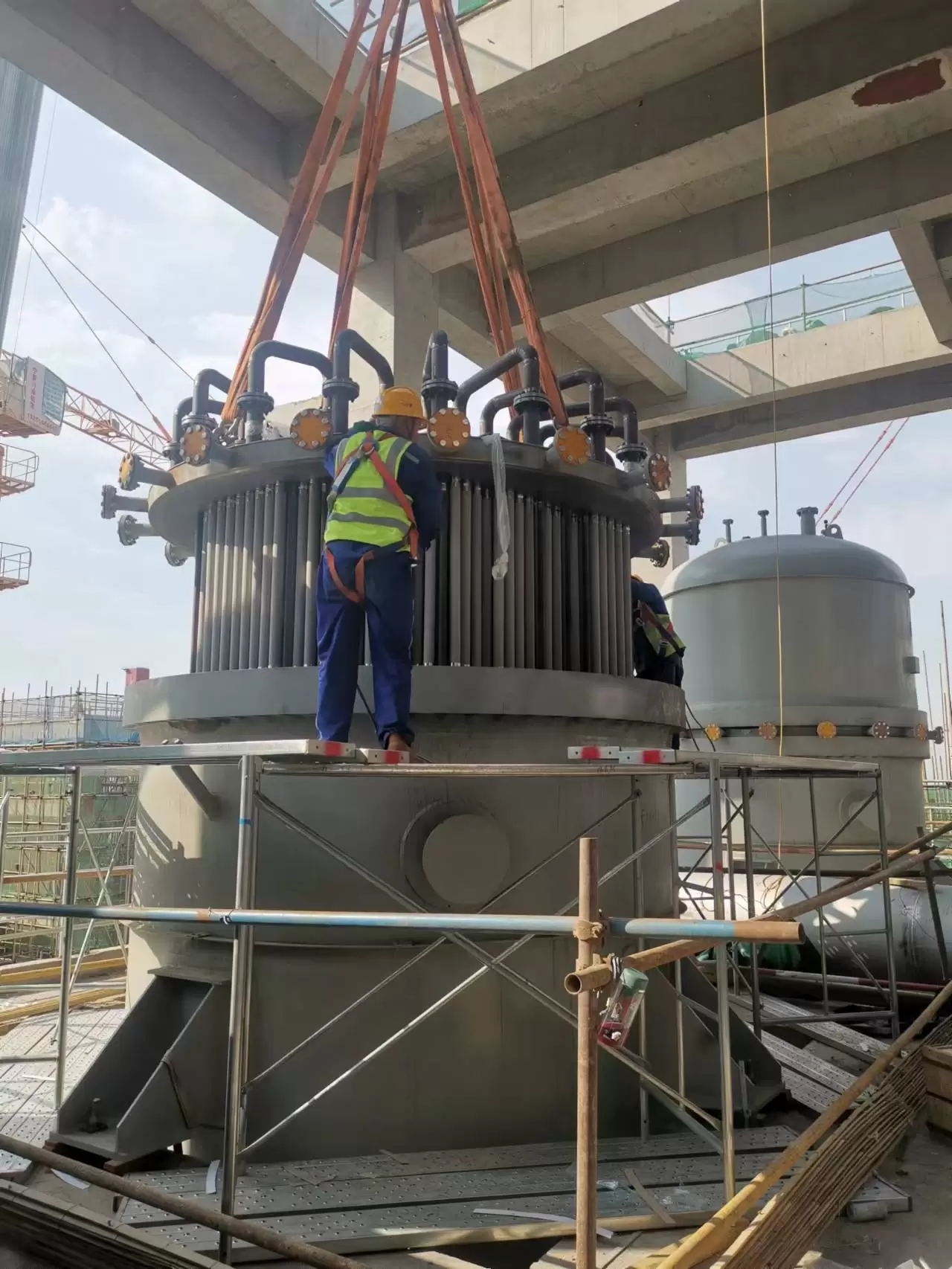
Application 1: One of our clients was a chemical manufacturer. As you know, chemical industries are the place that is greatly exposed to gas-solid reactions, which is why they were facing the tray blockage. As a solution to this, they installed our gas-solid filtration system. As a result, they received the efficiency they were hoping for. This tiny yet remarkable step made a huge impact on the company.
Application 2: A petrochemical company was facing trouble with the recovery of precious catalysts. Earlier, they were using another system to counter this trouble, but that wasn’t performing sufficiently. After they switched to our advanced gas-solid filtration system, they saw a radical change in their productivity.
Application 3: A raw material manufacturer company in Denmark was using a filtration system to separate gas from solid. But the procedure was manual, which killed a lot of their precious time. After consulting with us, they installed our hot gas filtration system. They got two advantages at a time:1. Our product realizes the filtration without needing to switch, and 2. This is an automated process. They don’t have to do the job manually.
There you have it; some of our clients’ case studies have benefitted from using our solid-gas filtration system. As you now know that our filtration system is one of the top quality and can be used for a variety of applications, apart from the mentioned ones.
Conclusion
The gas-solid filtration system is one of the crucial and, in fact, cautious components of filtration for a wide range of consumers throughout the globe.
Workflow is made efficient with quality items. We produce some of the top hot gas filtering systems available on the market at Shinkai Filter. Therefore, get in touch with us right away if you need any help or if you want to install or switch to this kind of filtration system.